Spinnin' Out of Control
The Plot to Erase G.C. Cameron's Legacy As a Spinner - Part 1
Once a Spinner, always a Spinner because that’s permanent, and so, no matter what you say or do, I’m thinking Spinners music all the time, because that’s what I’ve been a part of.” — GC Cameron, Unsung Episode 402
A Short But Significant Tenure
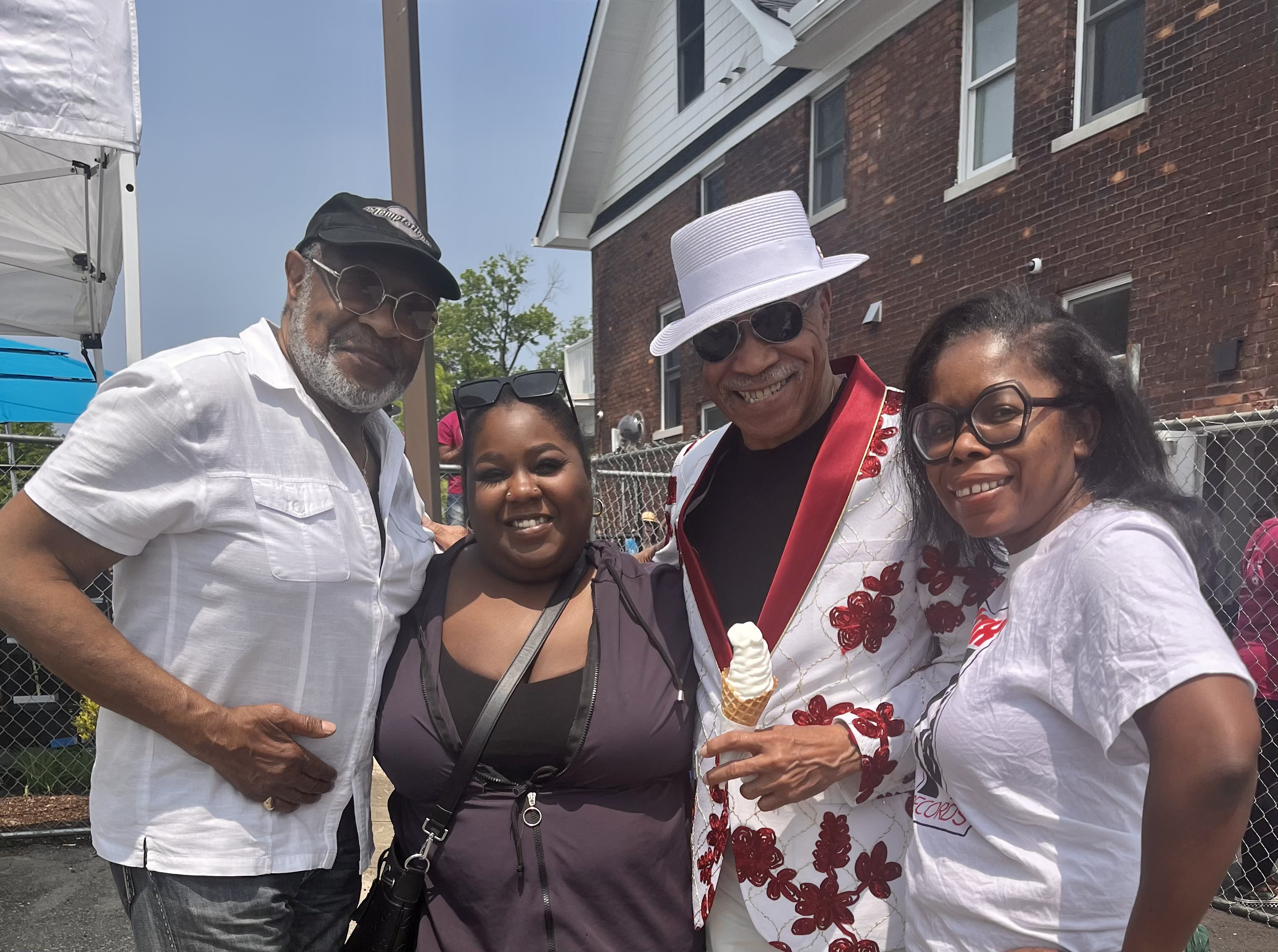
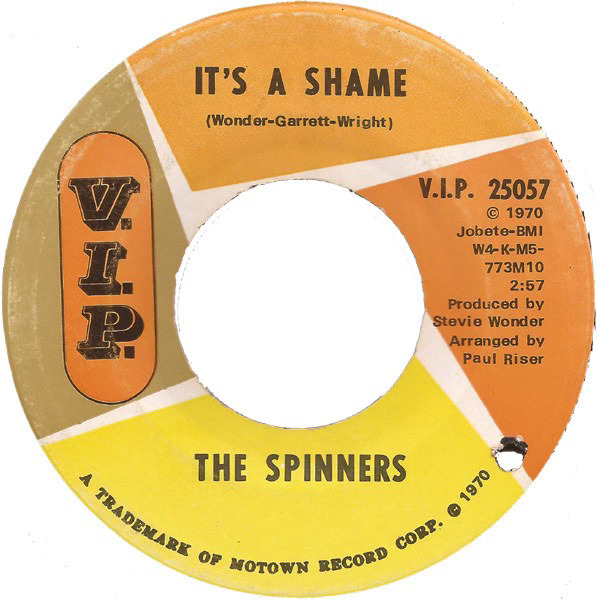
If the name “G.C. Cameron” isn’t instantly familiar to you, in all likelihood you are nevertheless quite familiar with his formidable vocal game if you are even the most casual Motown fan. Perhaps the most chameleonic of the legendary Detroit label’s stellar roster of male vocalists (runner up: Richard Street of Monitors and Temptations fame), Cameron’s blazing one-take lead vocal of It’s A Shame coupled with the Spinners’ dense harmonic blend catapulted the Stevie Wonder produced/Paul Riser arranged instant classic to Number 4 on Billboard's Hot Soul Singles chart (it topped out at #14 on the Pop charts) in the summer of 1970. The single, released on Motown’s V.I.P. label, was a harbinger of things to come: the next decade would elevate The Spinners from journeymen to classic soul icons through their era-defining work with producer and Class of 2025 Rock & Roll Hall of Fame Inductee Thom Bell. As a solo artist, G.C. achieved notoriety with his sublime contribution to the “Cooley High” movie soundtrack. It’s So Hard To Say Goodbye To Yesterday has since become a staple at homegoing celebrations since they killed Cochise.
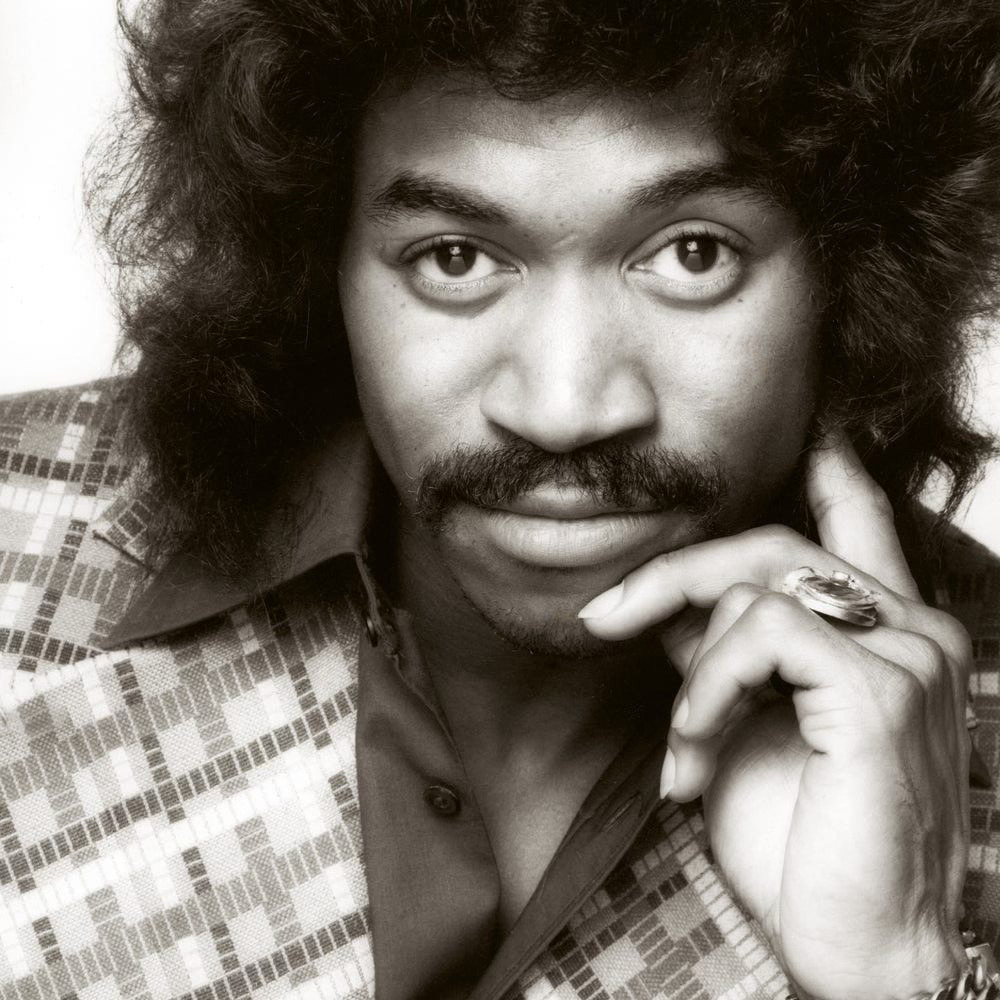
The Mississippi native’s dynamic vocal range and evocative delivery garnered enough attention around the Motor City for its namesake label to sign him to a retainer contract in 1967, a common practice that enabled Motown to corral up-and-coming talent they scouted around Detroit and elsewhere. The motivations behind this practice were manifold. Chief among them were to mitigate the possibility of competition that might pose a threat to the chart supremacy of its marquee artists while also maintaining a deep bench of talent to efficiently address personnel changes among the label’s plentiful roster of vocal groups. Dennis Edwards, one-time Contour who ascended to greatness as the lead singer presiding over the Temptations’ psychedelic era, was another of the dynamic young artists signed to Motown under one of these solo retainer contracts.
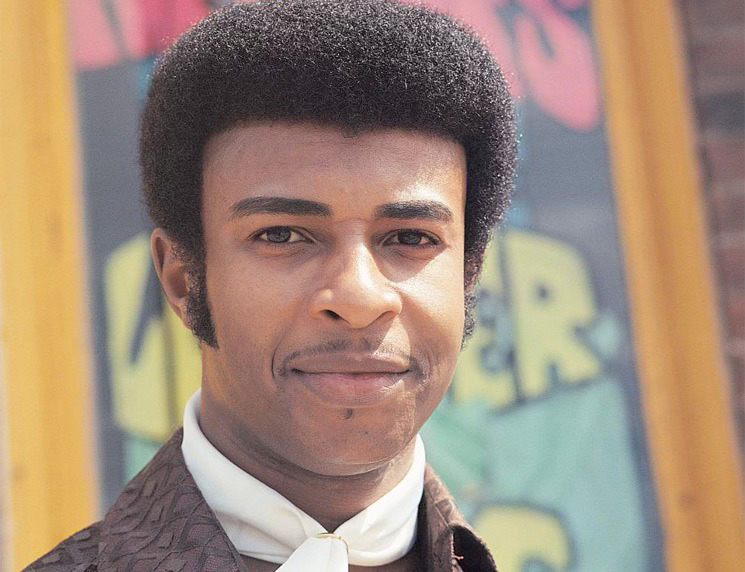
When one of these acts under contract was tapped to replace a member of one of Motown’s groups — as was the case in 1967 when G.C. Cameron stepped in to replace Edgar “Chico” Edwards as the fifth member of The Spinners — they were still deemed Motown solo artists from a contractual standpoint. This legal distinction would prove consequential when the Spinners took their talents to Atlantic Records a few years later.
Cameron, one of three U.S. veterans within the Spinners’ fraternity along with founding member Henry Fambrough and the late John Edwards (the young gun of St. Louis who would become the last of original lead singer Bobbie Smith’s trio of legendary vocal foils), traded the machine-gun fire and grenades of the Vietnam War for the compelling rhythms and melodies emanating from 2648 West Grand Boulevard in Detroit. He described the horrors of the Vietnam War in vivid detail in The Spinners Unsung episode (original airdate: June 13, 2011) as “a place of hatred, distrust, fear, and lots of death….” In that same episode, G.C. explained that joining the Spinners gave him the power to “put the gun down and pick up life.” He also picked up four big brothers, which is how he describes the Core Four members of the Spinners to this day. In that same episode, he spoke fondly of each of his groupmates — Henry Fambrough, Bobbie Smith, Pervis Jackson, Billy Henderson, and his late cousin and successor Philippé Wynne. He described Fambrough as a “great talent, really smooth singer, and great guy, full of jokes.”
Love Is The Message
G.C. echoed those warm sentiments when I reached out to him in early 2023 to request his presence at the Motown Museum’s Founders Day weekend. Without hesitation, he agreed to participate, mentioning how good it would be to see Norma and Henry again. So when Heather Fambrough Williams (for more on Heather read my previous post here) expressed her objection to G.C.’s participation at the forthcoming Motown event, I was perplexed. Her position was untenable — there was no way I was about to dictate terms to the Motown Museum that the lead vocalist of the Spinners’ biggest hit with the label (not to mention Berry Gordy’s one-time brother-in-law) was barred from participation by Heather’s ill-advised edict. From a public relations and production standpoint, it was my professional opinion that reuniting the last two living Motown-era Spinners at the Motown Museum as a precursor to an even more momentous reunion of the last three living classic-era members (Fambrough, Cameron, and Edwards) at the Rock & Roll Hall of Fame Ceremony was undoubtedly in the best interest of The Spinners brand.
At the time, I was unaware of the acrimonious legal history that strained the relationship between G.C. and The Spinners, dating back to a lawsuit filed in 2013 by Paul Mathis as counsel for and on behalf of the Spinners Performing Arts, L.L.C., Fambrough, and Smith. It’s not as if Heather didn’t have ample opportunity to apprise me of this mission-critical bit of information, dating back to when I first interviewed for the management position in 2022. In our initial conversations, I gleefully shared with her that I’d previously encountered the Spinners years ago at the taping of a PBS concert special filmed in Pittsburgh in the early-2000s. Back then, I’d been lucky enough to score an all access pass to the concert taping of a soul spectacular filmed at the Benedum Center in Downtown Pittsburgh, my first time behind the curtains. I took advantage of this rare opportunity, roaming about the backstage area eager to catch a glimpse of the classic soul legends on the star-studded bill, some of whom I had only ever seen via archival footage and album covers.
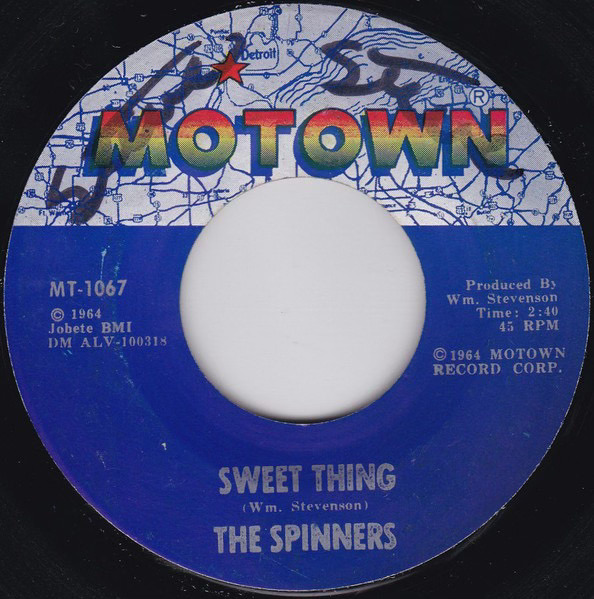
Later on that evening, I boarded the elevator down to the backstage area. It stopped on an intermediate floor and when the elevator doors opened, there before me stood The Mighty Spinners decked out in their iconic blue “space suit” stage uniforms, as I called them. I’d hoped my face didn’t register the wide-eyed excitement I was feeling on the inside as Bobbie Smith, G.C. Cameron, Henry Fambrough, Pervis Jackson, and Billy Henderson boarded the elevator. It was crazy in the best way possible to be thisclose to the group responsible for some of my all-time favorite Motown deep cuts, chief among them being their impossibly effervescent finger-snapper of a tune, 1964 A-side, Sweet Thing. I smiled at them and stood quietly, content to bask in the glow of soul royalty without intruding on their last precious moments before showtime.
Mr. Cameron broke the silence by asking me if I was working the event. I responded something along the lines of: “No, I’m here to see cats like you!” The gentlemen lit up, flattered and perhaps a bit shocked that a college-aged Black girl was invested enough to attend a classic soul concert without being dragged by her parents (Cindy, my late sister and best concert buddy ever, would link up with me in a little bit after completing shift at Equitable Gas). G.C. continued with his inquiry — either it was a terribly slow elevator or time was bending to accommodate destiny — jokingly challenging me by saying “I bet you don’t know who we are.” When I correctly identified the group, he asked me my favorite song. I responded with “Sweet Thing,” G.C. turned to his groupmates and the next thing I know, Bobbie started singing “You don’t always say the words I wanna hear…” G.C., Henry, Billy and Pervis fell right in line, echoing “wanna hear” just like on the record! Bobbie finished, with G.C. harmonizing with him “but to me you’re really saying something dear… girl, you’re a sweet thing." As I grinned from ear to ear, it never occurred to me that I might one day be working to preserve the legacy of these music legends, much less encountering staunch resistance from within the camp.
I thought the joyful manner in which I relayed this adorable and auspicious origin story made it plain that I viewed G.C. Cameron in a positive light. I’d also shared with her that he and Bobbie Smith happened to be my two all-time favorite Spinners. All told, Heather Fambrough Williams had a priori awareness that I held G.C. Cameron in high regard; just as I did every other Spinner. Nevertheless, she failed to disclose at that time that there was any longstanding tension that existed between Spinners Performing Arts, L.L.C., her family, and G.C. Cameron.
As the group’s social media manager, I made every effort to celebrate all of the gentlemen who had a hand in shaping the Spinners sound and legacy be it the usual suspects like the immensely popular Philippé Wynne, routinely shortlisted as one of the best and most consequential lead singers in the pantheon of classic soul vocal groups; or C.P. Spencer (a Spinners founding father more well-known for his tenure with the Originals, who achieved chart success with a pair of Marvin Gaye-penned ballads, Baby I’m For Real and The Bells). That included G.C. Cameron, particularly at a time when we were gearing up to celebrate the group’s legacy with Motown; a story impossible to tell without mention of G.C.’s tenure with the group.
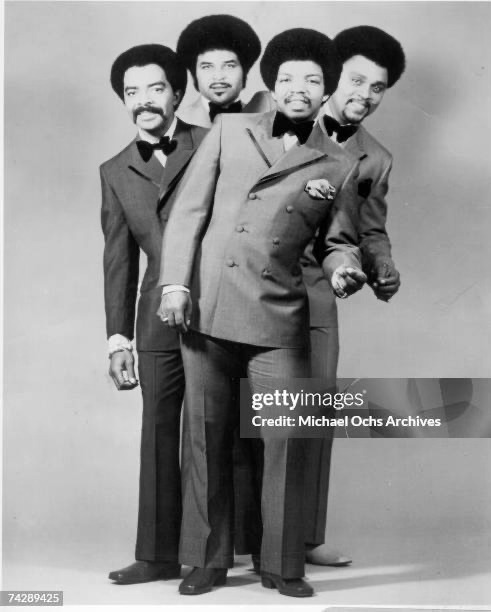
Heather’s insistence on excluding G.C. from the forthcoming Motown event flew in the face of my commitment to historical accuracy. A centerpiece of my professional brand is robust advocacy and acknowledgment of all legacy classic soul artists from the superstars to the journeymen to the obscure. Excluding G.C. Cameron from this Motown event wasn’t a good look for The Spinners, much less me — it looked petty and vindictive, which was the polar opposite of the energy I sought to cultivate around this beautiful and poignant reunion in the works. He wasn’t a founding member, but he was a fan favorite. His impact on the group was indelible in ways that went far beyond his contributions as a vocalist.
Just five years older than Stevie Wonder, he formed a brotherly bond with Hitsville’s resident wunderkind, chauffeuring the musical prodigy around town. By early 1970, Wonder was ready to prove to the label that he ought to be taken seriously as a producer with his own expansive musical vocabulary. Inspired by the dynamic range of G.C.’s instrument and the way the Spinners’ signature blend enveloped it, Stevie bet on the Spinners to make a hit out of the sho-nuff funky tune he’d co-written with wife Syreeta Wright and friend Lee Garrett. On April 6, 1970, G.C. recorded his lead vocal for “It’s A Shame” in one legendary take while the Spinners recorded the unforgettable backing vocal arrangement devised by Billy Henderson, which seemed to playfully mock and sympathize with the protagonist’s pain in equal measure.
The industry was on its ear. The Spinners notoriously languished at Motown up until that point, but looking at it from a contemporaneous perspective, the oversight was understandable. Bobbie Smith, the group’s primary lead singer since its inception had a smooth vocal style that was en vogue for R&B groups in the 1950s pre-soul era. His voice was silken, without any rough edges, harkening back to the days of Nathaniel Nelson (The Flamingos) and Johnny Funches (The Dells). The Dells, peers of the Spinners from out of Chicago, were able to make the transition from doo-wop to soul owing to the presence of the rough-baritoned Marvin Junior whose takeover as lead singer enabled the group to adapt to the stylistic changes. Bobbie Smith, who had a beautiful, velvety tenor wasn’t that kind of singer; his style was simply ill-suited to that era of classic soul. It would take Thom Bell’s one-of-a-kind production ear to concoct the perfect musical backdrop for Bobbie’s debonair vocal style to shine. So when G.C. came along to round out the group, his gospel-inflected vocals gave producers a familiar canvas to work with.
When the Spinners reached their fork in the road with Motown (am I referencing the Miracles’ Fork In the Road here or the Spinners I’ll Be Around? You never can tell with this one!), the Spinners were at yet another critical juncture. That solo retainer contract to which G.C. was bound effectively said “not so fast” on the Spinners’ attempt to defect from Motown with its lineup intact. The young former Marine, bound by contract to Motown and by love to Gwen Gordy, was to remain at Motown, so he introduced his musical brothers to his uncannily gifted cousin from Cincinnati, Ohio. He was born “Philip Walker,” but by this time he had adopted the more exotic, klieg-light friendly moniker now synonymous with his unique brand of electrifying soulful spontaneity: Philippé Wynne. Wynne was to The Spinners what David Ruffin had been to The Temptations when he joined that group at the end of 1963: the combustible X-factor that upped the voltage on the charisma of their respective groups. G.C. had given the Spinners the ultimate parting gift when he recommended that his cousin succeed him.
My love language is knowledge. When I love something, I commit to its intensive study — this goes for everything from people, to music, to classic film. When I began collecting records I committed to the study of my favorite vocal groups on a granular level. Subsequently, while the average fan may not have seen G.C.’s impact beyond his one hit with the group, I understood G.C.’s time with the Spinners to be short but deeply influential. His tenure served as a fulcrum moment, contributing to a musical template that Thom Bell would use as a foundation for his successful run of hits with the group.
Influence aside, I’d long admired how G.C. spoke with authority and eloquence about the Spinners history, including the eras before and after his time with the group. That sense of history would be an asset in what was turning out to be a banner year for the Spinners. Besides, the younger members of the group had never had any meaningful interactions with G.C. I detected a missed opportunity for the young guns to receive yet another commendation from one of the elder statesmen of the group. The current lineup receiving the nod of approval from the most recognizable of the remaining three Spinners could reap long-term benefits. Explaining the efficacy of G.C.’s presence to SPA’s long-term success is ultimately how I managed to dissuade Heather out of her petty obstinance regarding the matter — at least for the moment. My secret hope was that the resounding success of the event would bring about an “Era of Good Feelings,” a sentimental wave of amity rooted in reconciliation that the group could ride with its fans, for whom this reunion was a fervent dream they’d since stopped dreaming in the silence of the intervening years.
The way that Heather doubled down on her position to exclude G.C. from the Motown event was deeply troubling. The Spinners’ internecine squabbles were hardly sui generis in the landscape of vocal groups and bands. Musical aggregations far more infamous for group discord, like The Temptations and Fleetwood Mac, had managed to put longstanding differences aside when it really mattered. Her insistence on denying plaudits to G.C. Cameron, a septuagenarian who had received relative little recognition for his achievements as it were, felt cruel and small. I recall explaining to her that the various members of The Temptations were able to put differences aside ahead of their induction into the Rock & Roll Hall of Fame in 1989 despite a history of legal beef.
Thankfully, I was able to wield some authority since the whole idea of reuniting the Spinners with Motown was a whimsical fancy I had dreamt since I was a teenager. My impetus was pure and without guile: I loved the Spinners, I loved Motown, and six of my top ten Spinners songs were Motown tunes. I wanted to enjoy those songs without feeling as though my loyalties were divided, pure and simple. When I learned that the two parties had been estranged since before I was a notion to my parents, I thought, what a downer. I never imagined I’d be in a position to ameliorate the situation, but as soon as working with the Spinners became a distinct possibility, the gears in my mind got to turning.
‘The Spinners are Smiling Down’
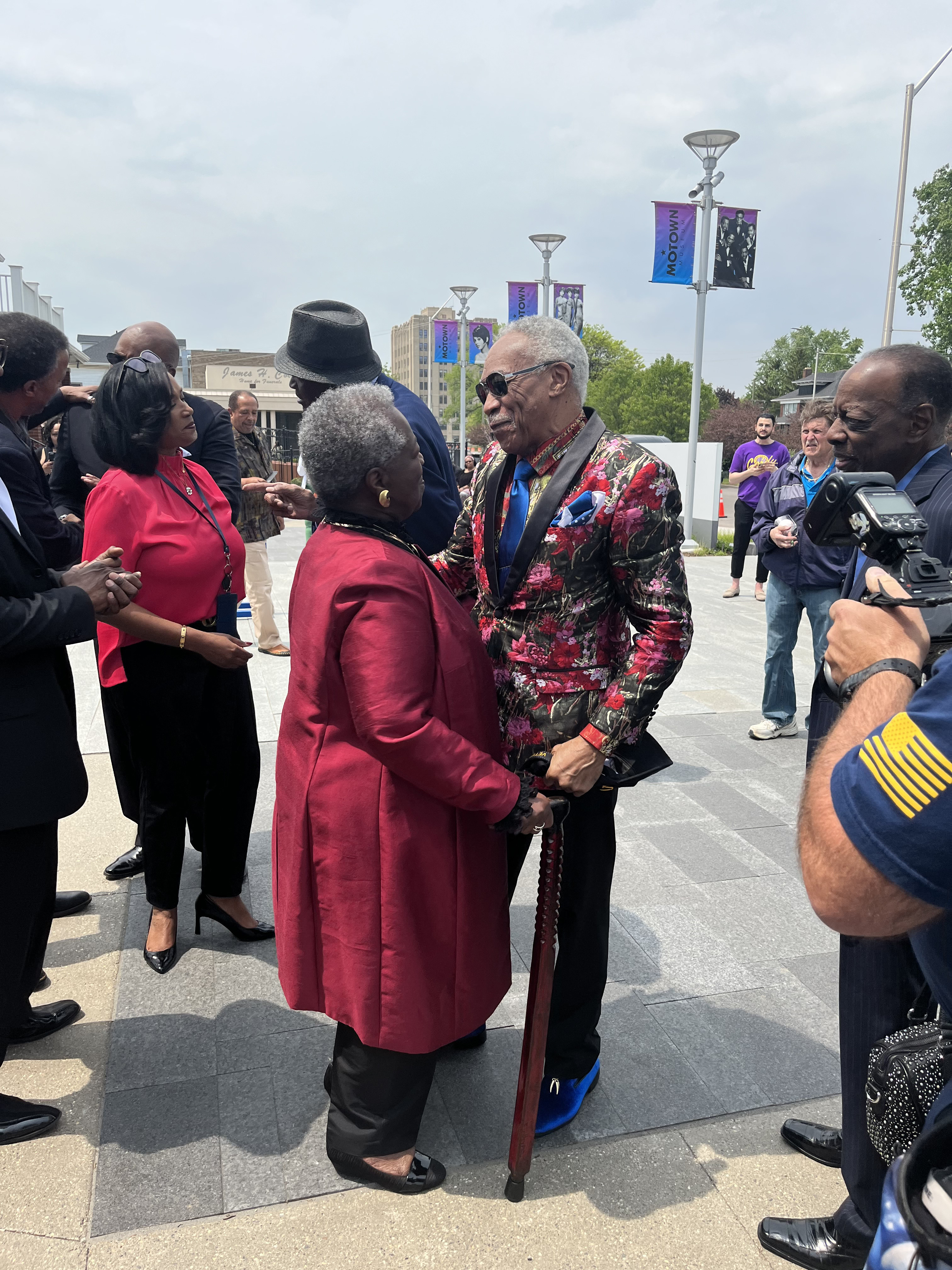
May 19, 2023: My heart started pounding like the mallet of a drum when we pulled up at Hitsville that Friday morning with Henry and Norma Fambrough in tow. After encountering some interference from a pair of those pesky chaos agents lurking in The Spinners’ orbit that morning, we’d finally arrived at the moment of truth. I didn’t know how long it had been since Fam and Cam had been in each other’s company. Heather’s enmity toward G.C. had sown seeds of doubt in my mind as to whether this was a good idea. I spotted G.C. in the courtyard chatting it up with members of the Museum’s fantastic team and fans who had gathered in front of the iconic label headquarters that morning. My anxiety was on a turbulent roller coaster ride through my sympathetic nervous system — without a safety buckle. What does it look like to see an octogenarian and a septuagenarian squabble up? I feared I was about to find out.
With Norma at Henry’s side, the two former groupmates squared up. Would you believe what happened next? Hugs. Hugs galore. The warmth was palpable and I allowed myself to be wrapped up in it; a soothing weighted blanket for my frazzled nerves. I was immediately struck by how tactile Henry and G.C. were toward each other. They didn’t stand on ceremony. There were repeated hugs and backpats. At one point, the two men gripped each other’s biceps and looked each other in the eye before melting into another brotherly hug. Mercifully, there was no senior Spinners slugfest that day. A more ominous prospect loomed for those of us who work in event production: I now had to be one of the adults on hand to break up the love uprising that had broken out in front of Hitsville — we were on a tight schedule!
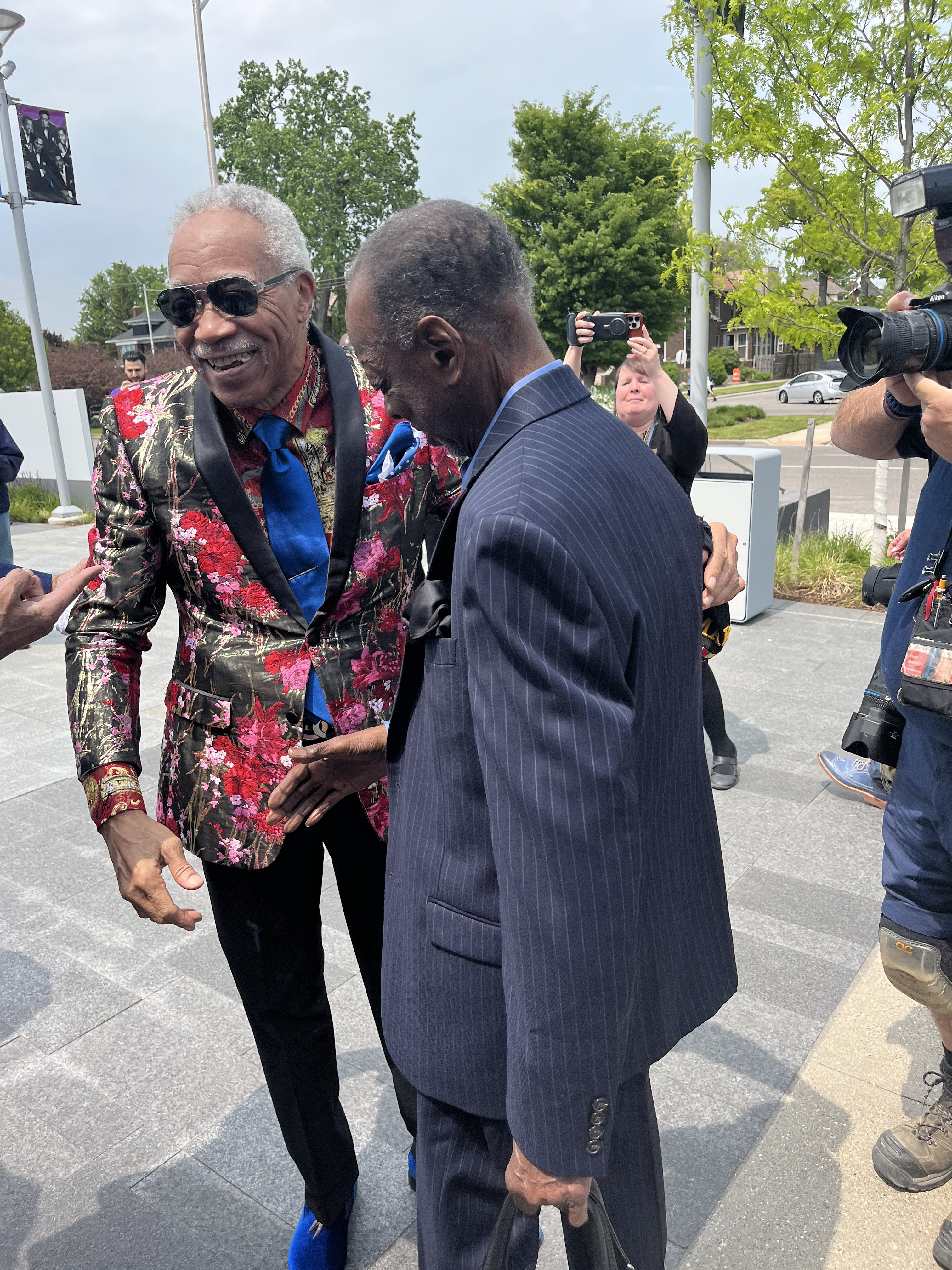
I looked on as G.C., who refers to Claudreen (Pervis) Jackson and Norma Fambrough as “his sweethearts,” roped Norma in for one of those ever-ubiquitous hugs. My heart was satiated. This felt right. My dear mother, who had boarded the Ship of Zion on February 1, would have been pleased with her youngest child. She’d always encouraged me to be a peacemaker, and here was her firebrand daughter presiding over a reconciliation inside of a reconciliation; both of which seemed wholly impossible just a week prior. My backchannel diplomacy between parties over the past five months had paid off, and it was immensely gratifying to witness the long overdue, ultimately fleeting, détente. To be fair, I was guided in part by Fambrough’s and Cameron’s own sentiments on the matter.
When I took this position back in 2022, I prepared by revisiting every Spinners article, interview, documentary, and television appearance I could find. From my rigorous research emerged a commonality I noticed about G.C. and Henry. They both spoke with great ardor about the centrality of love to The Spinners ethos, both on and off the record. In the Spinners Unsung episode (from which I pulled the G.C. Cameron post that opens this piece), Henry Fambrough observes: “You will not find one [Spinners] song that don’t have love in it. It’s a positive word, the way it’s used.” G.C. amplifies this message in just about every phone conversation we’ve ever had (most recently this past Monday, in fact), attributing The Spinners’ success to love. As he succinctly pointed out in a call dating back to March 2023: “we were tuned into the spirit of love. Harvey (Fuqua) understood that. Gwen (Gordy) understood that. And when the Spinners left Motown, they were lucky enough to connect with another producer (Thom Bell) who also understood that. That’s why the group stands the test of time.”
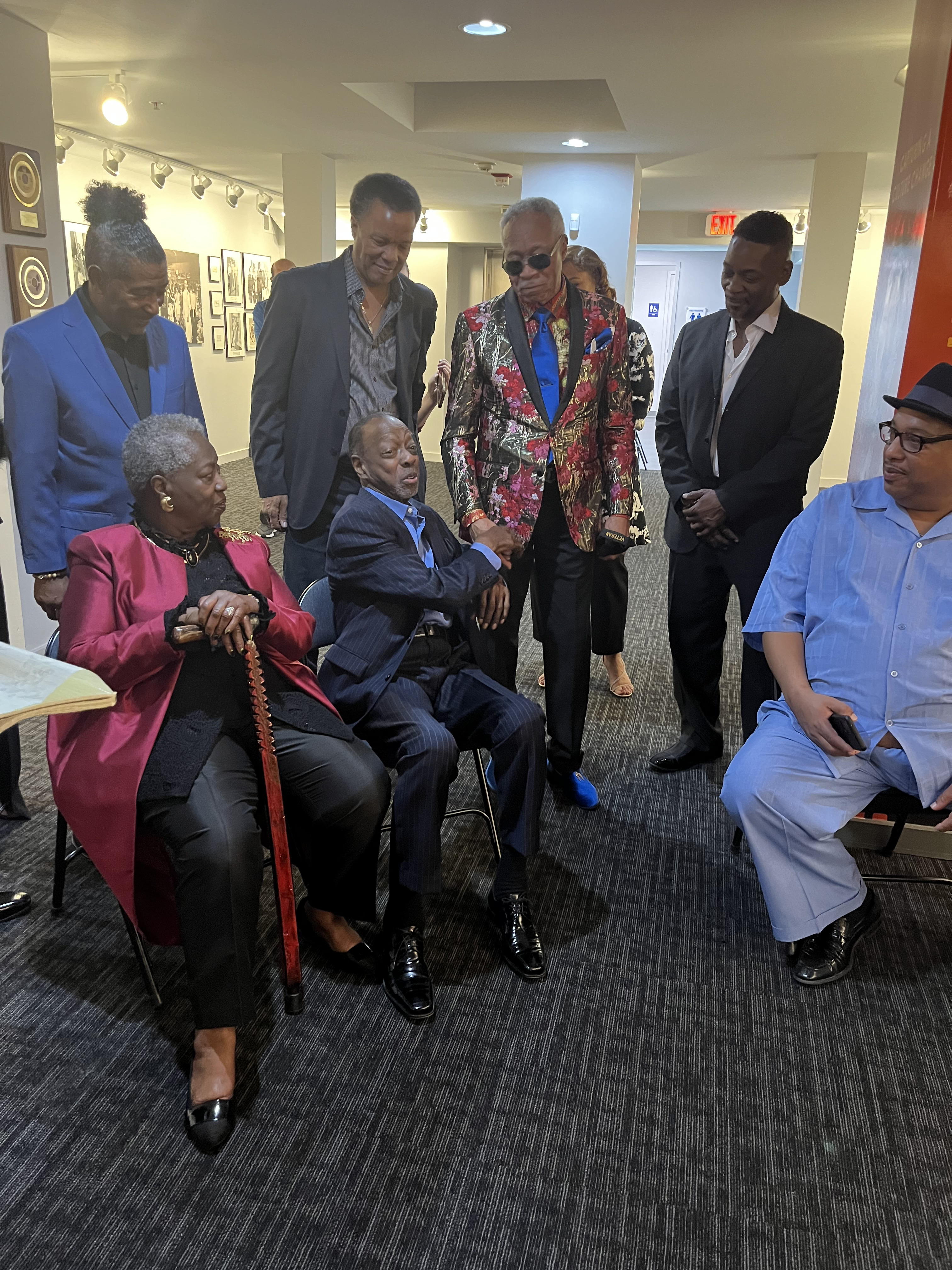
I took note of that, allowing love to inform my strategy on matters great and small from how I shaped the group’s voice on its social media platforms to my insistence upon reuniting these old friends together in a place that has always represented love to me: Hitsville U.S.A. Love as a business strategy was a concept I certainly didn’t expect the profiteers (Ludwig and Whitney) or the legacy hoarders (Fambrough-Williams and Mathis) to understand or embody.
The Hugfest at Hitsville set the tone for the remainder of that magical weekend. The following day, G.C. and Henry sat down at Hitsville for a historic dual interview recounting The Spinners’ tenure at Motown. So as not to disincentivize you from checking out The Spinners’ exhibit when the Museum reopens to introduce its expanded Motown Experience to the world in 2027, I will not discuss the contents of that interview here. Suffice it to say, I think all of us who were on-hand for that never-to-be-repeated moment were moved by the ease with which these musical brothers opened up to one another. Witnessing these elder statesmen exchange war stories with such resounding concordance was a spectacle to behold. It was one of those moments that reinforced my reason for doing this work in the first place.
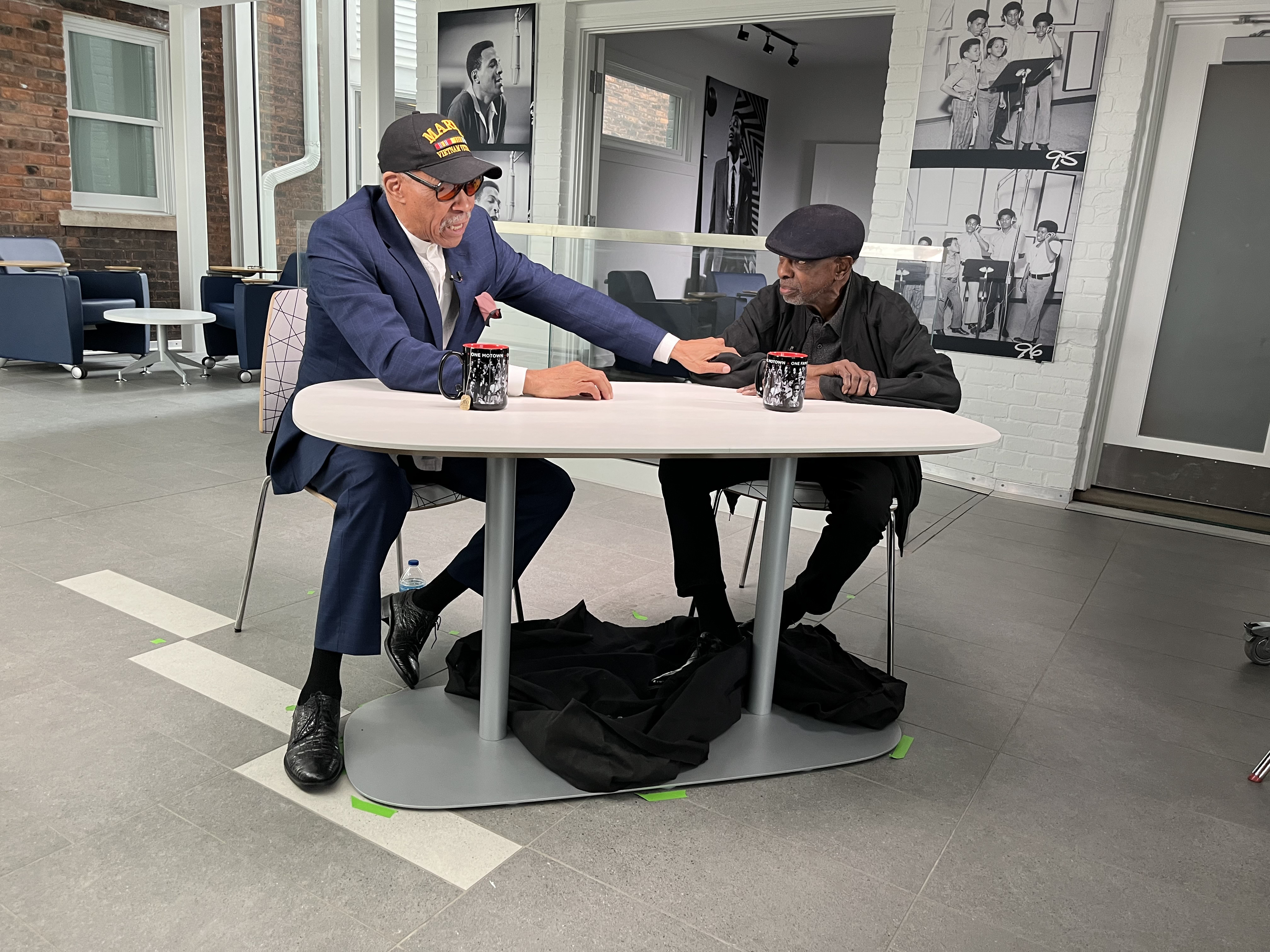
Once the interview was over, I headed back to the hotel with the Fambroughs. En route I asked Henry, who wasn’t particularly fond of interviews, how he thought it went. I was pleasantly astounded by his response: “I liked that one, if they could all be like that, I’d like ‘em more.” I leaned into that — with the Rock & Roll Hall of Fame Induction Ceremony just months away, Henry was about to be in high demand for interviews, and I wanted to take note of the conditions that made him comfortable. So I asked: “what was it about this interview that you liked?” I could hear the “duh” in his tone when he responded: “because my brother was with me. It didn’t feel like an interview, just like I was talking to my brother about the old days.” On that journey across town from Hitsville to the Greektown Hollywood Casino, Mrs. Fambrough expressed how delightful it was to have G.C. “back in the fold again.”
The weekend concluded with Founders Day, the Museum’s annual celebration of its founder and matriarch, Esther Gordy Edwards. The Spinners were slated to perform That’s What Girls Are Made For a capella and It’s A Shame for the free-to-the-public performance. The latter would mark G.C.’s first ever performance with the men Henry hand-selected to continue their shared legacy. True to that spirit of love he so often speaks of, G.C. agreed to take the stage with the group without compensation. I knew better than to broach the subject of paying G.C. — that was a nonstarter where Heather was concerned. Regardless, as the group’s publicist I couldn’t have asked for a more significant endorsement. G.C.’s imprimatur would go a long way to legitimize the current lineup in the eyes of those die-hard Spinners fans who had a difficult time embracing the young men now performing under The Spinners banner. His contribution that day was priceless.
In the days and weeks that followed, fans and other stakeholders in the legacy were clamoring to find out if G.C.’s performance with the group portended a reunion tour. Unfortunately, I knew all too well that Heather and Paul’s myopic (and one-sided) hostility toward G.C. would preclude such a sweet (and profitable) idea; and Toby’s blasé approach to artist advocacy certainly wouldn’t move the dial.
Unbeknownst to me at the time, that Sunday would be the last ever interaction between Cameron and Fambrough in this lifetime. While I take great pride in knowing how hard I worked to pull this off, and am eternally grateful to Robin Terry and the team at the Motown Museum for giving the Spinners’ legacy the deluxe treatment it so richly deserved, the victory felt hollow. It was the biggest media event for The Spinners in several decades, but that wasn’t enough for me. I took a measure of comfort in knowing that the unabridged history of The Spinners — and the pivotal role G.C. Cameron played therein — will be preserved for posterity at the Motown Experience. However, without a lasting truce, that magical weekend at Motown would ultimately come to feel like paradise lost.
Stay tuned for Part 3, where I’ll dive deeper into the effort to erase G.C. Cameron from the Spinners legacy.