Ms. T's 10 Essential James Jamerson Performances
Celebrating Motown's legendary bassist on his 90th birthday by revisiting my 10 favorite performances
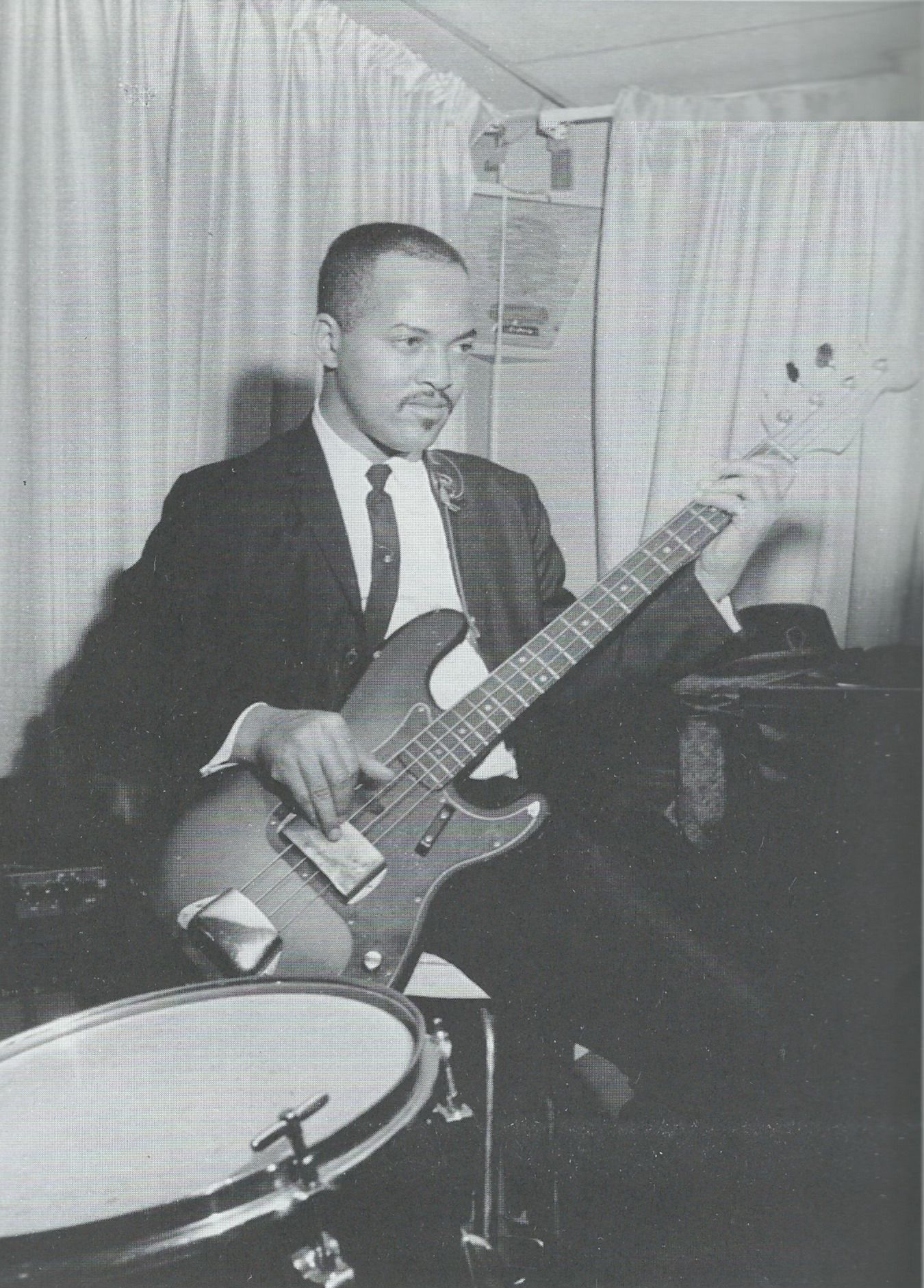
James Jamerson, born 90 years ago today, was the heartbeat of the Motown Sound. His style of playing was the optimal blend of power and finesse, melody and rhythm, technique and feel. I decided to celebrate his 90th birthday by torturing myself with the impossible task of narrowing down his genius to what I consider to be his ten essential performances. I’m well aware of the usual suspects everyone gravitates to — The Four Tops’ “Bernadette,” The two versions of “Ain’t No Mountain High Enough,” The Jackson Five’s “Darling Dear.” These songs tend to celebrate Jamerson at his most complex and loquacious. My list is more curated to my personal taste and what I like to hear. Either way, here’s my little homage toasting to Jamerson’s brilliance! Limiting myself to just ten performances was already nerve-racking; once I get to ten, the rankings don’t matter, so this list is in no particular order.
Fork In The Road, The Miracles. This creamy, dreamy Miracles’ ballad, B-side to “Tracks of My Tears,” was released on June 23, 1965 (Tamla). Some of Jamerson’s best work was on those slow-grind ballads The Miracles’ songwriting corps were known for crafting. “Fork In The Road,” a sonic sibling to the Miracles’ signature ballad, “Ooo Baby Baby” (another definitive Jamerson performance), is an exemplar of one of my favorite hallmarks of Jamerson’s style: mirroring the lead vocalist’s melodic phrasing in his bass-playing on the verses before settling into a more rooted, groove-oriented approach by the time the chorus comes around. When he comes back to the one, the signature hook, he always varies the approach just enough to keep things interesting.
Save The Children, Marvin Gaye. The fourth track from Marvin Gaye’s canonical masterpiece, the tragically relevant What’s Going On album (Tamla, 1971), is a tour de force display of Jamerson’s jazz chops. His hypnotic and trancelike walking bass line, which vacillates between a syncopated groove and a more languid straight-eighth approach, will give you the most delightful head rush if you’re not careful. His bassplaying foreshadows and then frames the song’s three distinct movements (the first movement starts at around the :20-second mark; the second movement, the song’s emotional climax, begins at around 2:39; and the third movement, the hopeful resolution, opens at 3:13). He had a unique musical rapport with each and every one of Motown’s producers, but this track really underscores how musically simpatico Jamerson and Gaye were.
3. My Smile Is Just A Frown (Turned Upside Down), The Temptations. The Funk Brothers sound like one well-oiled machine as they slow down the beat of Carolyn Crawford’s 1964 hit single, bending it into a mid-tempo groove for the Classic Five Temptations. The Temptations’ version, buried in the vaults until its release on the 1998 Motown Sings Motown Treasures, Volume 1 compilation, is one of my favorite examples of how Jamerson locked in with his drummers (likely Benny Benjamin or Richard “Pistol” Allen on this cut) to create an airtight groove.
- What Love Has Joined Together, The Temptations. James Jamerson’s basslines often served as an earthy counterpoint to Smokey Robinson’s ethereal lyrics. Such is the case here on this gem, B-side to “It’s Growing (Tamla, 1965). Another gorgeous love hymnal written by the Miracles’ songwriting corps (Smokey Robinson and Bobby Rogers co-wrote it), Jamerson provides this dense, earthy counterpoint to Eddie Kendricks’ placid declaration of love and the gentle harmonic blend struck by David, Otis, Paul, and Melvin.
It’s The Way Nature Planned It, The Four Tops. I don’t know if The Four Tops slid him some cash before their sessions, but Jamerson always seemed to show up and show out for the Tops (Bernadette, need I say more?). This smooth, sophisticated cha-cha written by Frank Wilson and Pamela Sawyer features another one of those trancelike bass patterns that makes Jamerson so compelling to listen to. He’s always drawing you in without encroaching on the singers.
6. Sweet Thing, The Spinners. My undisputed all-time favorite Spinners song is this irrepressibly joyful confection written by William “Mickey” Stevenson and Ivy Jo Hunter. I consider this underrated classic to be the song to be the quintessential expression of the Motown Sound — youthful, bright, sunny, groovy — and it begins and is propelled by James Jamerson’s whimsical stutter-step of a bassline. Jameson’s playing reminds me of a pinball machine on this cut. I will not be explaining further.
Darling Dear, The Miracles. Yes, he is renowned for his definitive performance on The Jackson Five’s cover of this Miracles’ album cut from A Pocket Full of Miracles (Tamla, 1969), written by Allen Story and George and Rosemary Gordy. However, the Miracles’ original version finds Jamerson in his Latin-influenced bag, delivering a gentle, lilting effect that invites you to sway your hips, just a little bit.
8. What’s Easy For Two Is So Hard For One, Mary Wells. One of my all-time favorite jams by Motown’s first reigning Queen, Jamerson’s dynamite sense of swing is on display in its full splendor in this 1963 Smokey Robinson penned and produced classic.
How Long Has That Evening Train Been Gone, The Supremes. Another of Jamerson’s more celebrated performances, this cut from the Love Child album (1968) is another entry from the Wilson-Sawyer songwriting team. It’s quintessential Jamerson — percolating, propulsive, energetic. There’s something synesthetic about his playing here — he actually sounds like the locomotive that carried Diana’s love interest on out of her life. That’s not just technical proficiency, that’s an uncanny sense of feel.
10. Stop! In The Name of Love, The Supremes. One of Motown’s enduring classics from its flagship group, Jamerson is all power and no finesse here, an incredible juxtaposition against Diana Ross’ dulcet, pleading vocal performance. His bass is anything but dulcet — it’s driving, relentless, heavy-handed. A pure testament to the strength of “The Hook,” as his index finger was called.
Thanks for reading! This post is public so feel free to share it.